

What happens when historical fashion, museum expertise and contemporary craftsmanship come together? The result is Fibre Mood x MoMu: an exclusive capsule collection of six sewing patterns, inspired by remarkable pieces from the collection of MoMu (Fashion Museum Antwerp).
Together with MoMu and the European REEVALUATE project, we set out to discover historical garments that could be brought to life again today. Not as exact replicas, but as contemporary designs that preserve the essence of the original garment.
From an 18th-century jacket from the Zaan region in the Netherlands to a Japanese furisode and historical cycling wear, each pattern tells a story. And each design has been given a new form thanks to Fibre Mood’s expertise.
From museum collection to your wardrobe
Reinterpreting a historical garment takes more than a beautiful design. Every piece in the MoMu collection tells us something about the time in which it was made: about fashion, technique, materials, social changes and the way people dressed.
For this collection, our pattern makers delved deep into these stories. They studied the original silhouettes, constructions and distinctive details and translated them into patterns that can be made and worn today. We were able to draw on the expertise of our professional pattern makers, who worked out and modernised every design down to the smallest detail.
The result? High-quality patterns with a distinct couture feel, combined with the clear approach you know from Fibre Mood. From perfectly drafted pattern pieces and clever technical solutions to our recognisable step-by-step illustrations and accompanying Academy videos: every pattern is designed to challenge creative makers while helping them create a beautifully finished garment.
Discover the six patterns
Kit: from regional corsage to architectural dress
The original is an eighteenth-century corsage from the Zaan region: a square neckline, a fitted silhouette, elbow-length sleeves and a distinctive combination of colour and pattern. Zaan jackets were often somewhat longer and fell loosely over the hips.
For Kit, we transferred the lines and proportions of that corsage directly onto a dress designed for the body of today. The historical square corsage line lives on in the shaping seams at the front, while the dress itself has a round neckline with a ribbon fastening at the back. The sharply defined bodice creates a strong contrast with the generous, highly constructed skirt: two large layers of fabric add volume and create a silhouette that changes as soon as you move.


Jon and Sansa: from cycling outfit to pleated trousers & sculptural blouse
Jon: These black wool knee-length bloomers were originally worn for cycling. Deep pleats at the front and back concealed the low crotch construction while allowing complete freedom of movement. Elasticated hems at the trouser legs provided extra ease.
In the contemporary translation, those pleats become the defining visual element. Jon takes on a deeply pleated, almost skirt-like silhouette that shifts and transforms with movement. Heavy wool enhances that volume, while the straight hems and precisely constructed waistband give the garment a distinctly contemporary sense of tailoring. What was once a practical solution for cycling now deliberately explores the imaginative space between trousers and skirt.
Sansa: This white cotton cycling blouse from the late nineteenth century combines functionality with refined details: a strongly fitted silhouette, a high collar, delicate pleating, machine-made embroidery and a detachable bib at the front.
For Sansa, we rebuilt the blouse around a play of volume and movement. Large pleats across the shoulders and sleeve heads give the silhouette a sculptural quality, while a pleated bow detail at the back translates the craftsmanship of the original into a surprisingly contemporary accent. Long, wide ribbons at the hem emphasise the waist and make the silhouette adjustable. The original combination of elegance, functionality and wearability remains, but in a distinctly new form.


Loren: from painted kimono to contemporary interpretation
The original is an ecru furisode, richly painted and printed with gold. Its multicoloured pattern brings together an abstract landscape with flowers, plants, clouds and fluttering ribbons. The long, flowing sleeves are characteristic of the furisode, traditionally worn by young, unmarried women for formal and festive occasions.
Its construction differs significantly from the Western couture tradition: there is no three-dimensional pattern. The components are cut from lengths of fabric with a fixed width and assembled flat, with the obi determining the final shape. Excess fabric is deliberately retained, so the garment can be altered or reused at a later stage.
For Loren, we transferred those historical pattern pieces almost literally, but combined them with new elements. A contrasting revere collar and double front pockets give the kimono a contemporary functionality, and diagonal lines at the centre back accentuate the waist and bring shape into the originally flat silhouette. Our sample garment was entirely hand-painted with Ecoline paint, continuing the idea of the painted kimono in a contemporary, handmade interpretation.


Lucy: from 1930s jacket to contemporary raglan jacket
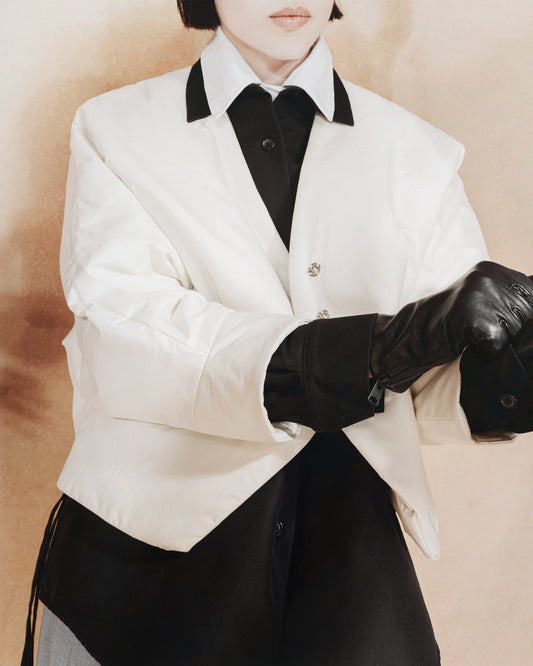
This wide beige silk jacket was made in the 1930s, most likely in France. Soft pink diamonds and spiral stitching form a simple geometric pattern; the V-neckline and raglan sleeves reinforce that graphic shape. The original button, inspired by the Vietnamese nón lá hat, reflects the Asian influences that found their way into European fashion at the time. The jacket was probably worn over a long evening dress, or as a négligé at home.
In the Fibre Mood version, the loose shape and raglan sleeves remain, but Lucy becomes a comfortable, collarless design with pockets and a front button closure. What once belonged to eveningwear or intimate dressing becomes a versatile jacket for every day. Wear Lucy casually over jeans, or turn it into a statement piece in a luxurious fabric.


Mildred: from 1920s evening dress to festive dress
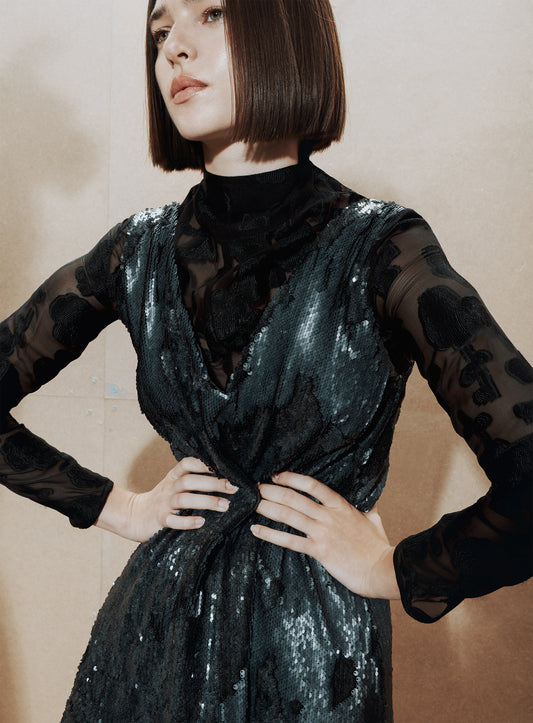
Mildred has its origins in an elegant evening dress from the 1920s. The deep V-neckline, fluid lines and striking hem refer to the freedom and movement of the fashion of that period.
For the Fibre Mood version, the original silhouette was reconsidered and adapted to contemporary fit and construction. The result is a festive dress in which the spirit of the 1920s remains palpable, but which belongs entirely in a modern wardrobe.


Six patterns, six stories
Together, the six designs form a remarkable collection in which different eras, cultures and techniques meet. From cycling wear that gave women around 1900 greater freedom of movement to the flat, carefully considered construction of a Japanese kimono.
A collection to make and to collect
Fibre Mood x MoMu is released as an exclusive collection of six couture patterns in which different eras, cultures and techniques meet. From cycling wear that gave women around 1900 greater freedom of movement to the flat, carefully considered construction of a Japanese kimono.
Each pattern is available as a paper pattern (€29) or a digital version (€21).
Collect the complete capsule collection and discover six different stories from fashion history.

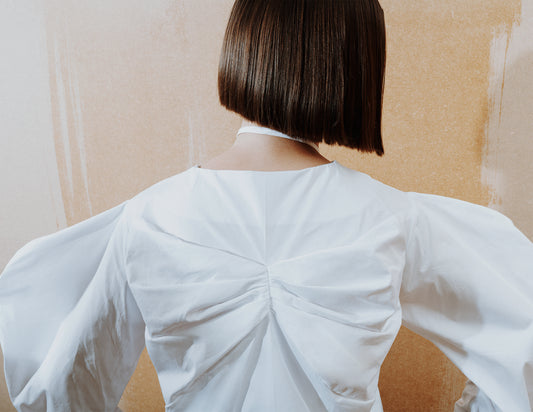
Sansa Blouse Sewing Pattern (Fibre Mood x MoMu)
Sale price
€21,00

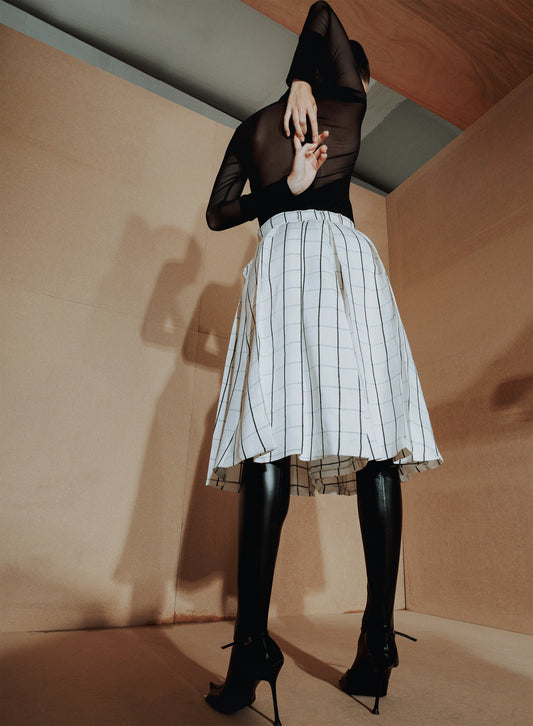
Jon Bermuda Sewing Pattern (Fibre Mood x MoMu)
Sale price
€21,00

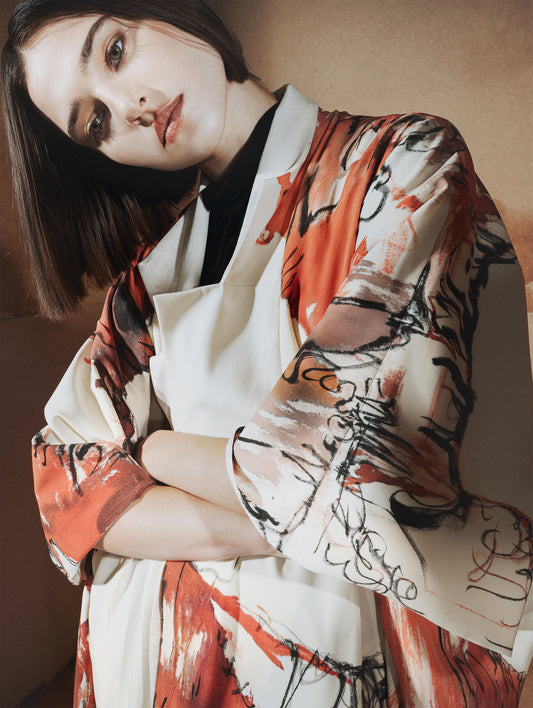
Loren Kimono Sewing Pattern (Fibre Mood x MoMu)
Sale price
€21,00

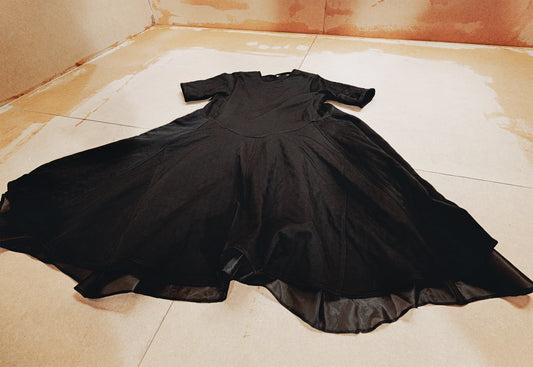
Kit Dress Sewing Pattern (Fibre Mood x MoMu)
Sale price
€21,00

Mildred Dress Sewing Pattern (Fibre Mood x MoMu)
Sale price
€21,00

Lucy Jacket Sewing Pattern (Fibre Mood x MoMu)
Sale price
€21,00
